
Is P999 Game Real or Fake?
Last updated: July 23, 2026
"Real or fake" is usually the first thing people type right after seeing a P999 ad, a forwarded WhatsApp link, or a friend's screenshot of a big win. It's a reasonable reflex. The app touches real money, it doesn't sit on the Google Play Store next to apps you already trust, and a quick search throws up half a dozen domains that all claim to be the official one. None of that automatically means something's wrong — but it does mean the question deserves more than a shrug.
This isn't a verdict handed down from on high. It's a walk-through of what "real" and "fake" actually mean here, what to look for either way, and where the real risk tends to hide.
Why this question keeps coming up
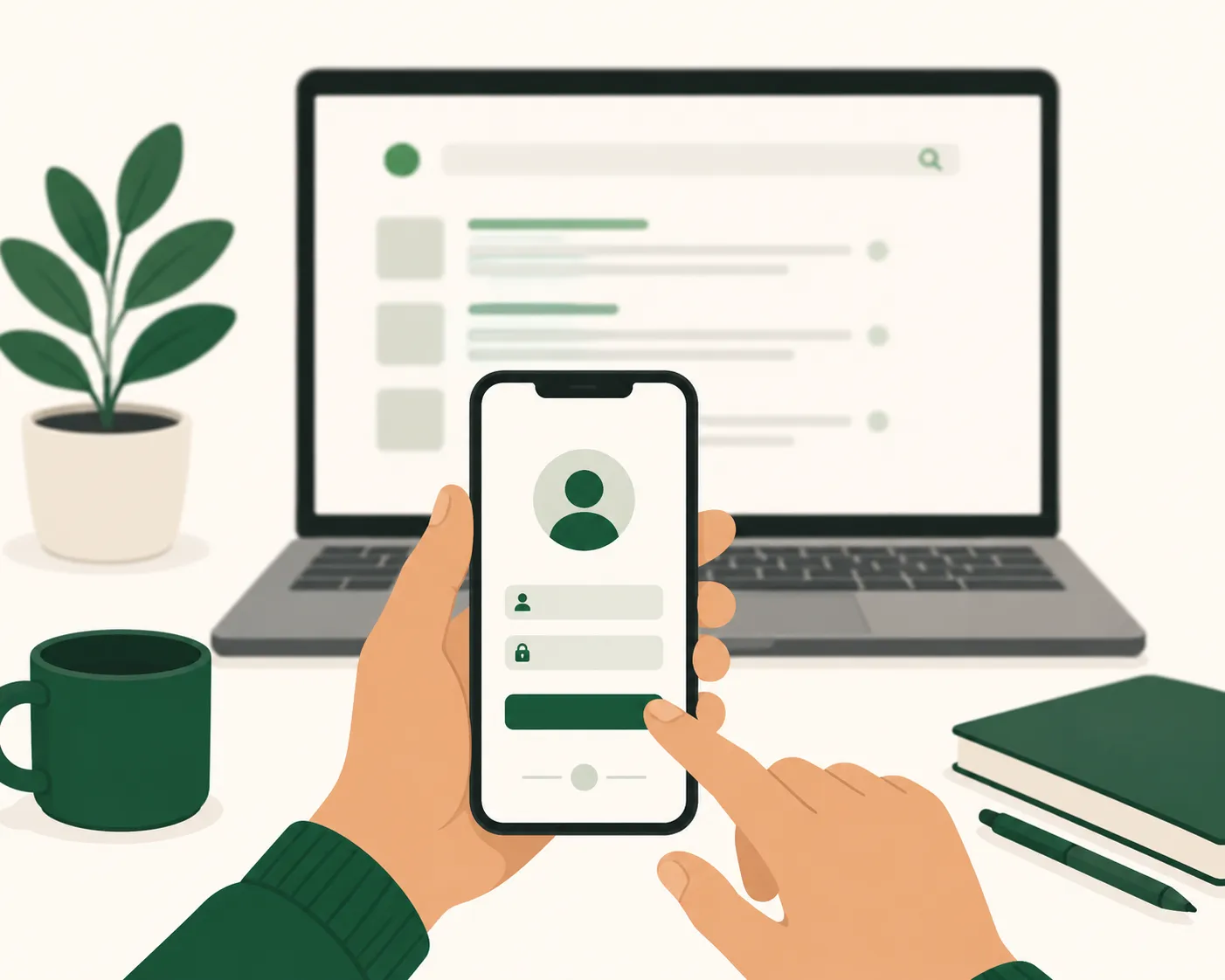
Three things tend to line up at once. First, there's no App Store or Play Store listing to check against — no reviews tab, no "verified developer" badge, none of the usual guardrails people lean on without even thinking about it. Second, it's a real-money app, so getting the source wrong costs more than a wasted download. Third, and this is the one people underestimate, a search for "P999" doesn't return one website. It returns several, with slightly different spellings, different logos, and different claims, and nothing in the search results themselves tells you which one, if any, is the one to trust.
Put those three together and caution isn't paranoia. It's just sensible.
Two different questions hiding in one
When someone asks "is P999 real or fake," they're usually asking two separate things without realizing it — and the answers aren't the same.
The first question is whether the app itself exists and works the way it says it does. For most people who download it from a page they've actually checked, yes. It opens, the OTP login goes through, and the games load and behave the way a casual gaming app should. In that narrow, technical sense, it's a real, functioning piece of software — not vapourware, not a total hoax.
The second question is whether it guarantees income, or whether using it is risk-free. Here the honest answer is no, and it will always be no, for this app or any other in its category. If a page tells you otherwise — "guaranteed daily earnings," "100% win rate," anything along those lines — that specific claim is the fake part. The app itself can be perfectly real while the promise sitting on top of it is nonsense.
Most of the genuine "is this a scam" anxiety online isn't really about the app existing. It's about that second point, tangled up with the very real risk of tapping a phishing clone instead of the actual thing. Those two worries deserve to be pulled apart, not lumped together.
What a legitimate install actually looks like
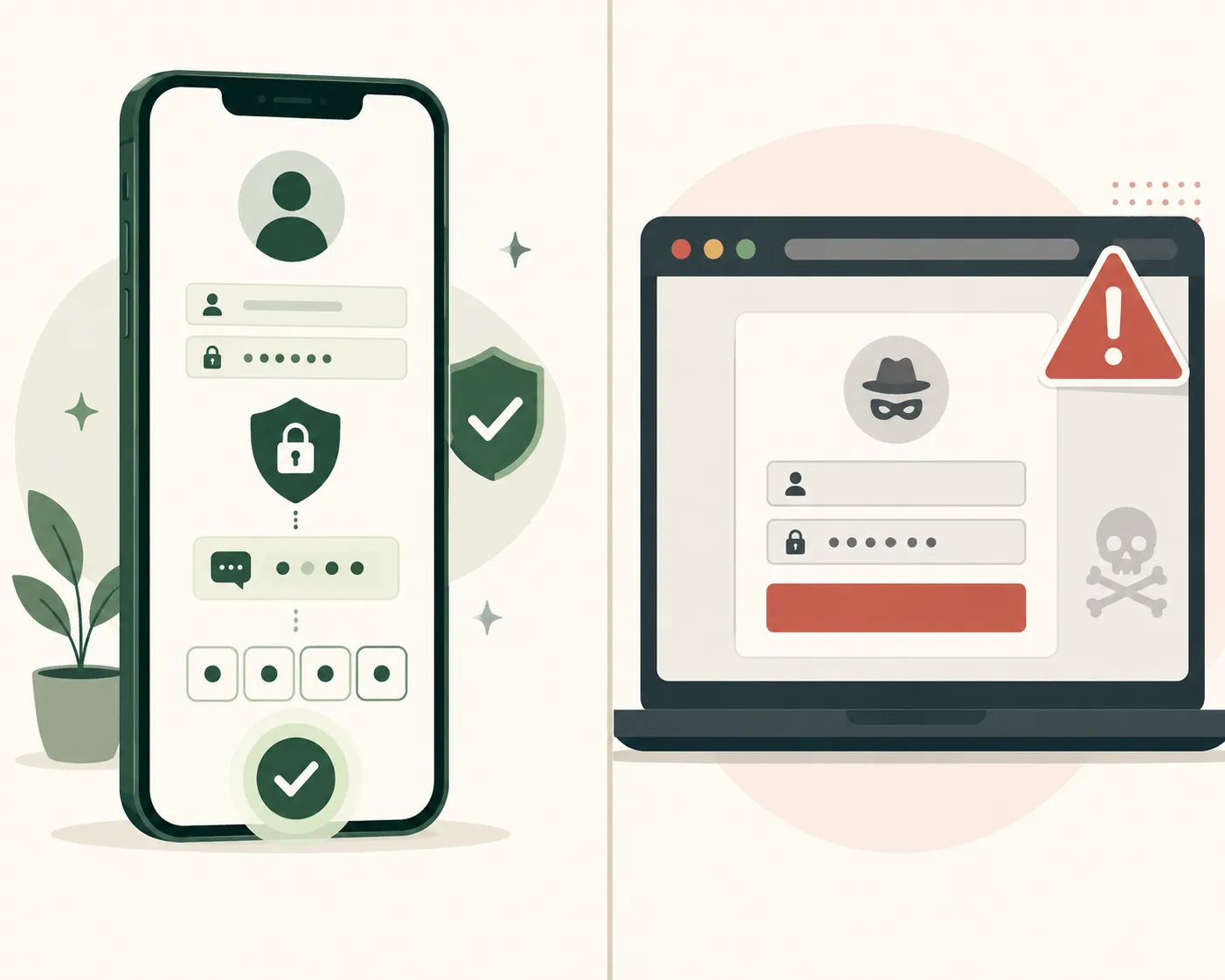
A handful of things stay consistent across the genuine app, regardless of how you found your way to it:
- Login only ever asks for your mobile number and an OTP. Nobody legitimate is asking you to type a password into a random webpage.
- You're never asked to pay something upfront just to "activate" login or "unlock" a bonus before you've made a real deposit.
- Support happens inside the app itself, not through a phone number left in a Facebook comment or a stranger's WhatsApp message.
- Beyond the one Android permission needed to install an APK from outside the Play Store, the app doesn't ask you to disable your phone's other security settings.
If everything you're seeing matches that pattern, you're most likely dealing with a working copy of the actual app.
Red flags that mean you've wandered off course
The flip side is usually louder, once you know what to listen for:
- A website — not the app — asks you to enter your OTP or PIN directly into a form.
- Language built to rush you: "instant bonus," "guaranteed win," "admin access," anything with a countdown timer attached.
- A domain that's almost right but not quite — an extra letter, a swapped one, a .vip or .one ending instead of what you expected. This pattern shows up often enough around P999-style names that it's worth its own checklist. See P999 Official Website: How to Avoid Fake Domains.
- Design that feels slightly off — stretched logos, mismatched fonts, spelling mistakes in the headline. Scam pages get built fast, and it shows.
- You got there through a link shared in a group chat rather than something you searched for and checked yourself.
None of these alone is proof of anything. Two or three of them together is a pretty reliable signal to back out.
A quick walk-through
Say a cousin forwards you a link in a family WhatsApp group with a message like "bro this one actually pays, try it." You tap it. It looks like the app you've heard about — same colours, same name — and it asks for your number and an OTP straight on the page, before anything even installs.
That's the moment to stop. A real login flow happens inside an app you've installed yourself, not on a webpage that showed up from a forwarded link. Close the tab, go find the app through a source you've checked on your own, and start again from there. It costs you two minutes. Getting it wrong costs a lot more.
Common myths worth clearing up
A few claims keep circulating around apps like this, and most of them fall apart under a little scrutiny.
"If it were real, it would be on the Play Store." Not necessarily. Real-money gaming apps sit outside major app stores across most of South Asia because of store policy on gambling-adjacent content, not because the app itself is fraudulent. Plenty of legitimate financial and gaming apps distribute through direct APK downloads for exactly this reason. Absence from the Play Store tells you about a policy decision, not about honesty.
"My friend won money, so it's definitely legit." One person's outcome doesn't verify a platform any more than one person's loss disproves it. Wins and losses happen on real platforms and fake ones alike — a payout you've personally witnessed is only evidence that a payout is possible, not that every promise the platform makes is true.
"It asked for permissions, so it must be spying on me." Worth checking, but not automatically damning. Android apps installed outside the Play Store need a handful of standard permissions to function — storage access for the app itself, notifications for OTP-related alerts. The line to watch is permissions that have nothing to do with what the app does, like reading your contacts for a game that has no social feature requiring them.
"Everyone online says it's a scam, so it must be." Search results for almost any real-money app are crowded with a mix of genuine warnings, competitor takedowns, and recycled clickbait, and it's hard to tell which is which from the outside. That's exactly why checking the specific claim in front of you — the domain, the login flow, the promise being made — matters more than the general noise surrounding the name.
So, real or fake?
Neither word does the situation full justice on its own. Treat it less like a single yes/no verdict and more like two habits: check the source before you trust it, and go in with realistic expectations about what any game like this can actually deliver. An app can be completely genuine and still be a bad idea for your wallet if you don't set a limit before you start.
A note on responsible play
This category of app is built for adults, 18 and over, full stop. Treat it as entertainment you're paying for, not income you're earning. If it stops being fun, that's the signal to stop, not to chase harder. Our full Disclaimer goes into the risks worth weighing before you use any P999-style app.
Quick answers
Is P999 an actual working app, or just a scam?
The core app is real and functions as advertised for most people who download it carefully. The scam risk sits mainly in copycat pages and unrealistic promises layered on top of it, not in the base software itself.
Why isn't it on the Play Store?
Real-money gaming apps commonly sit outside major app stores because of store policies around gambling-adjacent content, which is why a direct APK download is the norm here rather than the exception.
Can I actually lose real money using it?
Yes. Any app that lets you deposit and play with real money carries real financial risk, regardless of how legitimate the software behind it is.
How do I check if the specific link I have is safe?
Type the address yourself rather than tapping a forwarded link, read it character by character, and never enter an OTP anywhere except inside the app after you've opened it directly. See Official Website vs Fake Domains for the full routine.
Is asking "is it real or fake" even the right question?
It's a reasonable starting point, but "is the source I'm using verified, and am I playing within a budget I've set" is closer to the question that actually protects you day to day.
Ready to check it out for yourself? See how login and gameplay actually work inside the app.
Visit P999 Game →A note on "P999 hack" claims
A related trust question we get often enough to call out directly: no, there isn't a working "P999 hack" that gives free coins or a guaranteed multiplier — outcomes are generated server-side, which nothing installed on your own phone can reach. See our full P999 game hack breakdown for what these downloads actually turn out to be.
Related guides
Before installing anything, read Download P999 Game Safely. For account access, see the Login Guide. For payment-related questions, see Deposits & Withdrawals Explained.