
P999 Bonuses, VIP Levels & Redeem Codes Explained
Last updated: July 23, 2026
Open any P999-style app for more than a minute and something will be waving at you — a welcome bonus banner, a VIP progress bar, a box asking if you have a redeem code. None of these mechanics are complicated on their own. What trips people up is that the marketing copy around them is usually a lot more exciting than the actual terms sitting underneath. This is the plain-language version, with the fine print pulled out where it actually matters, written for people who want to understand what they're being offered before they act on it.
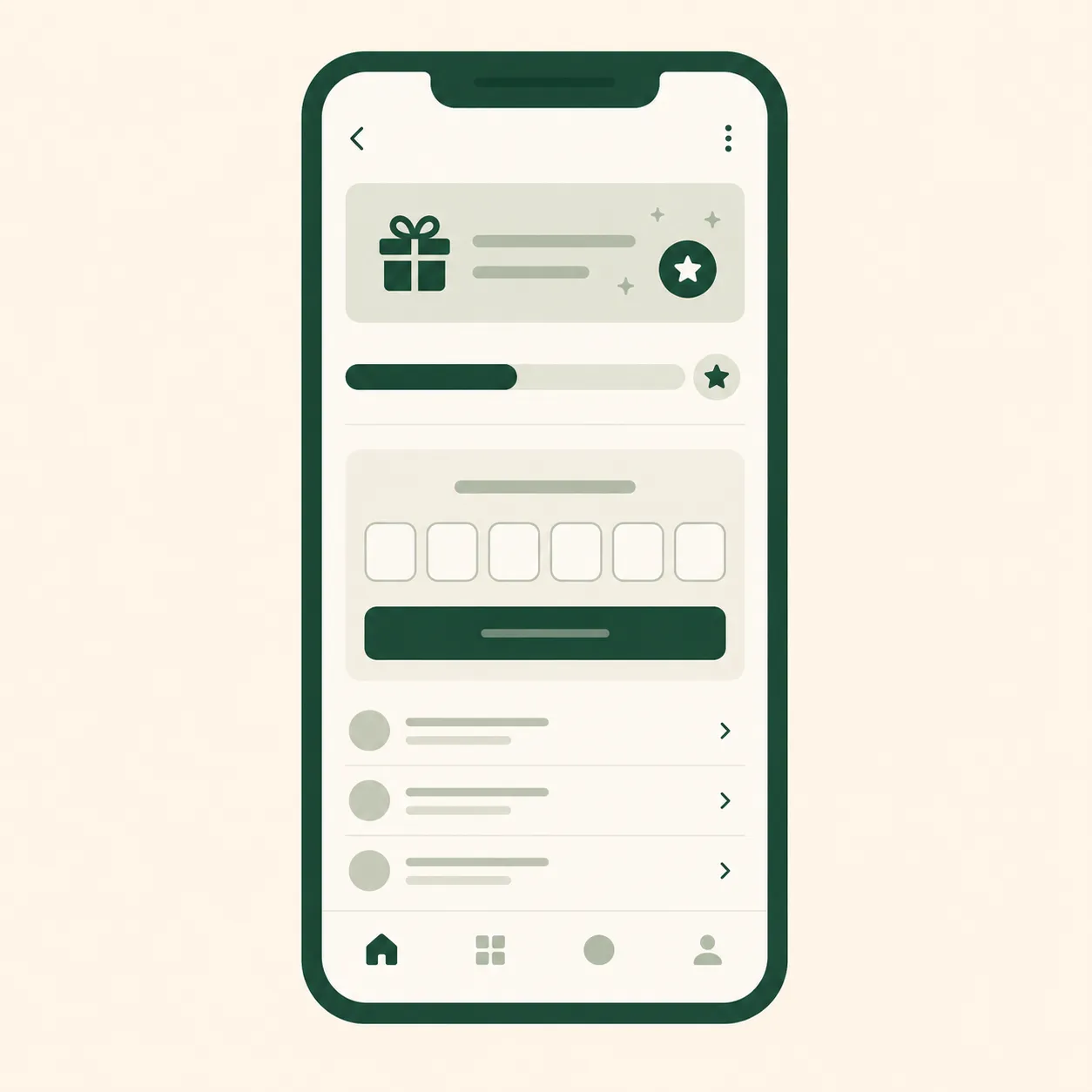
The common bonus types you'll see
Most of what gets offered falls into a short list, dressed up differently depending on the app:
- First-deposit bonus. An extra percentage added to your balance after your first deposit, usually up to a stated cap. If the app advertises "20% up to X," that cap is doing more work than the headline percentage.
- Referral or invite bonus. A reward credited to you when someone you invite signs up and makes their own deposit. This is how a lot of these apps grow — through people, not ads.
- Daily login or streak bonus. Small, often shrinking rewards for opening the app or playing on consecutive days. Designed to build a habit more than to move the needle on your balance.
- Redeem codes. Short alphanumeric strings, usually shared through the app's own social channels, that unlock a one-time bonus when typed into the right place.
How redeem codes actually work
A redeem code gets entered from inside the app — in an account, wallet, or promotions menu, never on a website outside it. Codes are typically time-limited and good for one use per account, which is why you'll see them shared with an expiry date attached. If a page outside the app asks you to "verify" your account or pay a small fee before a code will activate, that's not how a legitimate code works. Treat it as a scam attempt riding on the back of a real feature, not as an extra step you're missing.
Also worth knowing: a small industry of "code generator" sites and videos exists purely to farm clicks, claiming they can produce working redeem codes on demand. They can't. A genuine code is issued by the platform itself, distributed once, through its own official channels, and used up the first time someone enters it — there's no algorithm to guess one, and any page claiming otherwise is wasting your time at best.

VIP levels, explained without the hype
VIP or loyalty tiers generally climb based on how much you've deposited or played over a given period, and unlock perks like faster withdrawal processing, slightly higher daily bonuses, or a dedicated support line. There's nothing wrong with the concept — airlines and credit cards do the same thing. The part worth pausing on is the incentive it creates: these systems are built to reward continued play, which means it's worth occasionally asking yourself whether reaching the next tier is the actual reason you're depositing again, or whether the tier is quietly setting your budget for you instead of the other way around.
The specific perks and thresholds differ from app to app, but the general shape tends to look something like this:
| Entry tier | Standard withdrawal processing, basic daily bonus |
| Mid tier | Slightly faster withdrawals, small bonus increase |
| Top tier | Priority support, highest daily bonus rate offered |
Treat any specific numbers an app shows you for its own tiers as the accurate ones — this table is only meant to show the general shape, not a promise about what any particular platform offers.
A simple example of how a wagering requirement works
The phrase "must be played through" trips up a lot of people because it's rarely explained in plain terms. Here's a purely illustrative example, with made-up numbers, to show the mechanic rather than any specific offer:
Say an app credits you a bonus of 500 rupees with a "5x wagering requirement" attached. That doesn't mean you need to deposit 2,500 rupees. It means the total amount you place in bets has to add up to five times the bonus — 2,500 rupees worth of bets in total — before the bonus portion becomes eligible to withdraw. If you're playing games with small, frequent bets, that total can build up faster than it sounds. If you're making a few large bets instead, it can take a lot longer than the headline number suggests.
The number to actually look for isn't the bonus amount — it's the multiplier next to it, since that's what determines how much play stands between you and being able to withdraw the bonus at all.
The fine print worth reading before you count on anything
Before you treat a bonus as real money in your pocket, check a few things:
- Whether the bonus amount can be withdrawn directly, or has to be played through a set number of times first.
- Whether there's an expiry date or a narrow time window attached to the offer.
- Any minimum deposit or minimum bet size tied to unlocking it.
- Whether the percentage or amount advertised is a cap ("up to") rather than a flat guarantee.
None of this is unusual — it's standard practice across the whole industry, not something specific to P999-style apps. The point is just that a bonus percentage in a banner ad and a bonus percentage you can actually withdraw are sometimes two different numbers.
Are bonuses actually worth chasing?
A bonus can genuinely stretch a deposit a little further, and there's no reason to turn one down if the terms are reasonable. Where it goes wrong is when the bonus becomes the reason you deposit more than you'd planned to, or when an expiring offer pushes you into a decision you'd otherwise sleep on. Treat a bonus as a small extra sitting on top of a decision you'd already made — not as the decision itself.
It's worth being honest about why these systems exist in the first place: streaks, tiers, and countdown timers are habit-building tools borrowed from mobile gaming and retail loyalty programs alike, and they work precisely because they're designed to. That's not a conspiracy, and it doesn't make using the app inherently bad — it just means the excitement in a bonus banner and the actual value sitting underneath it are two separate things worth judging on their own terms, every time, rather than getting swept along by the design.

A responsible-gaming note
This app category is for adults aged 18 and over. Bonuses, redeem codes, and VIP perks are marketing tools built to keep you playing — not a path to guaranteed profit. Set a budget you're comfortable with regardless of what's on offer, and let that number, not the promotion, decide when you stop.
Quick answers
Can I withdraw a bonus straight away?
Usually not the moment it lands. Most bonuses carry a wagering requirement that has to be met first — check the multiplier attached to any offer before counting it as available balance.
Do redeem codes cost anything to use?
No. A genuine redeem code is free to enter. Any page asking for payment or "verification fees" to activate one isn't following how redeem codes actually work.
Does reaching a higher VIP tier guarantee better odds?
No. VIP tiers typically affect perks like withdrawal speed and support access, not the underlying odds of the games themselves.
What happens to an unused bonus after it expires?
It's generally removed from your account once the stated window passes. This is exactly why checking the expiry date before you start playing matters more than the bonus size itself.
Is it worth inviting friends just for the referral bonus?
Only invite people who'd genuinely want to try the app on their own terms. A referral bonus is a nice side effect of someone signing up — it shouldn't be the reason you're pushing an app on someone who wasn't already curious about it.
Ready to check it out for yourself? See how login and gameplay actually work inside the app.
Visit P999 Game →Related guides
See Deposits & Withdrawals Explained for how payments connect to these bonuses, Bonus Strategy: Reading the Fine Print for how to actually evaluate an offer before taking it, or Is P999 Game Real or Fake? for a broader trust check.